Tips for Skiing in Cold Weather
by GRP skier Jack Young
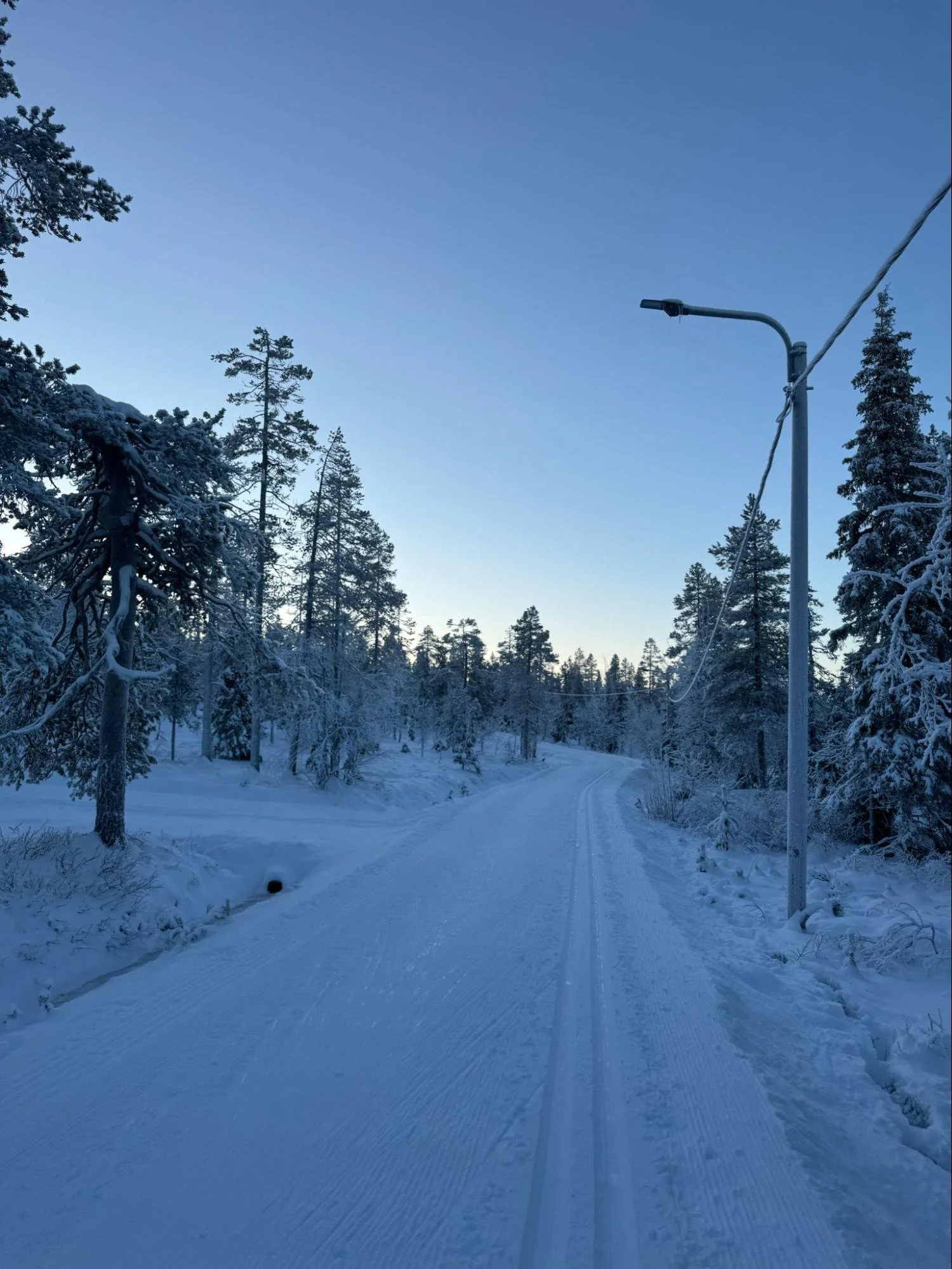
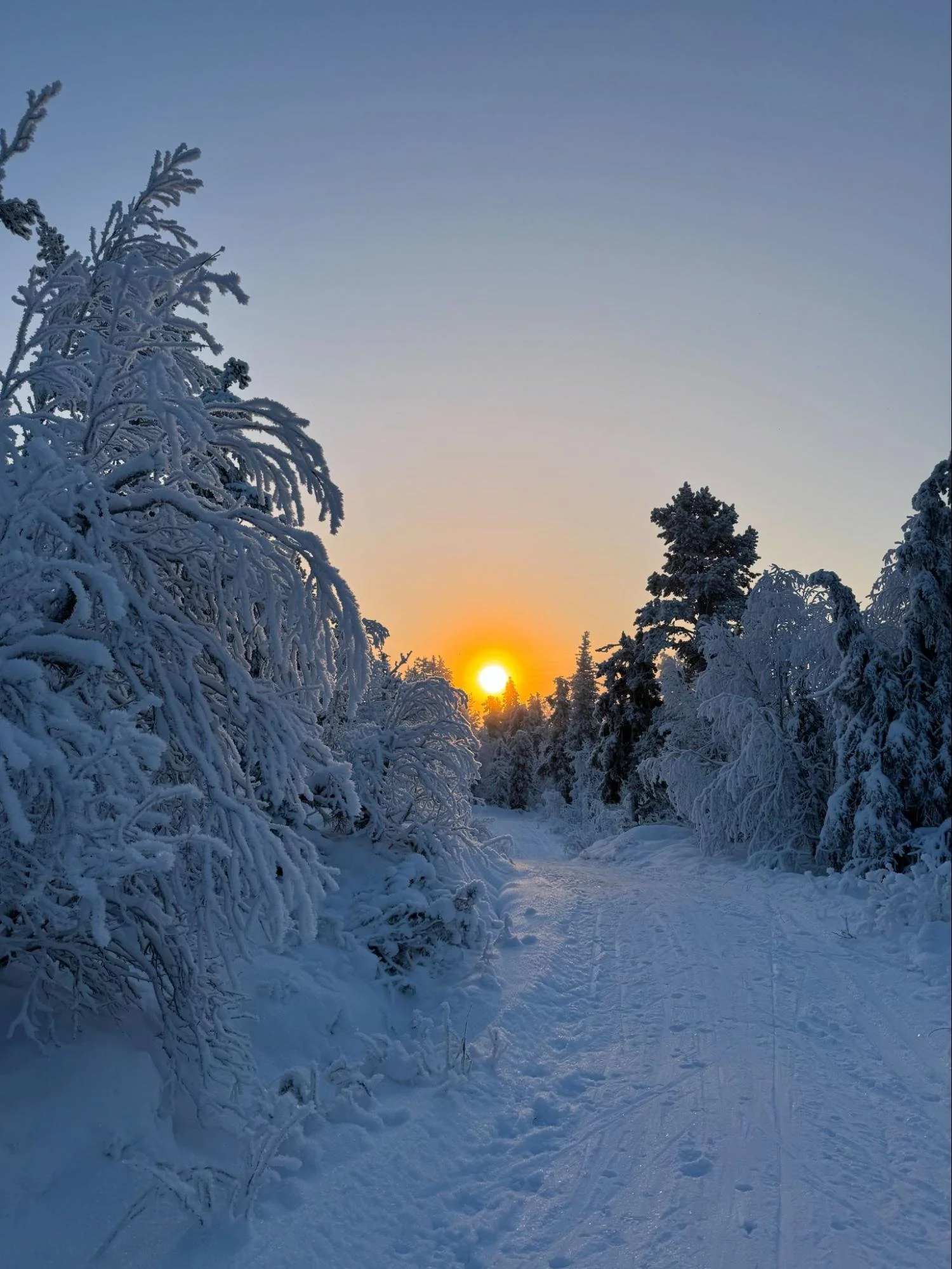
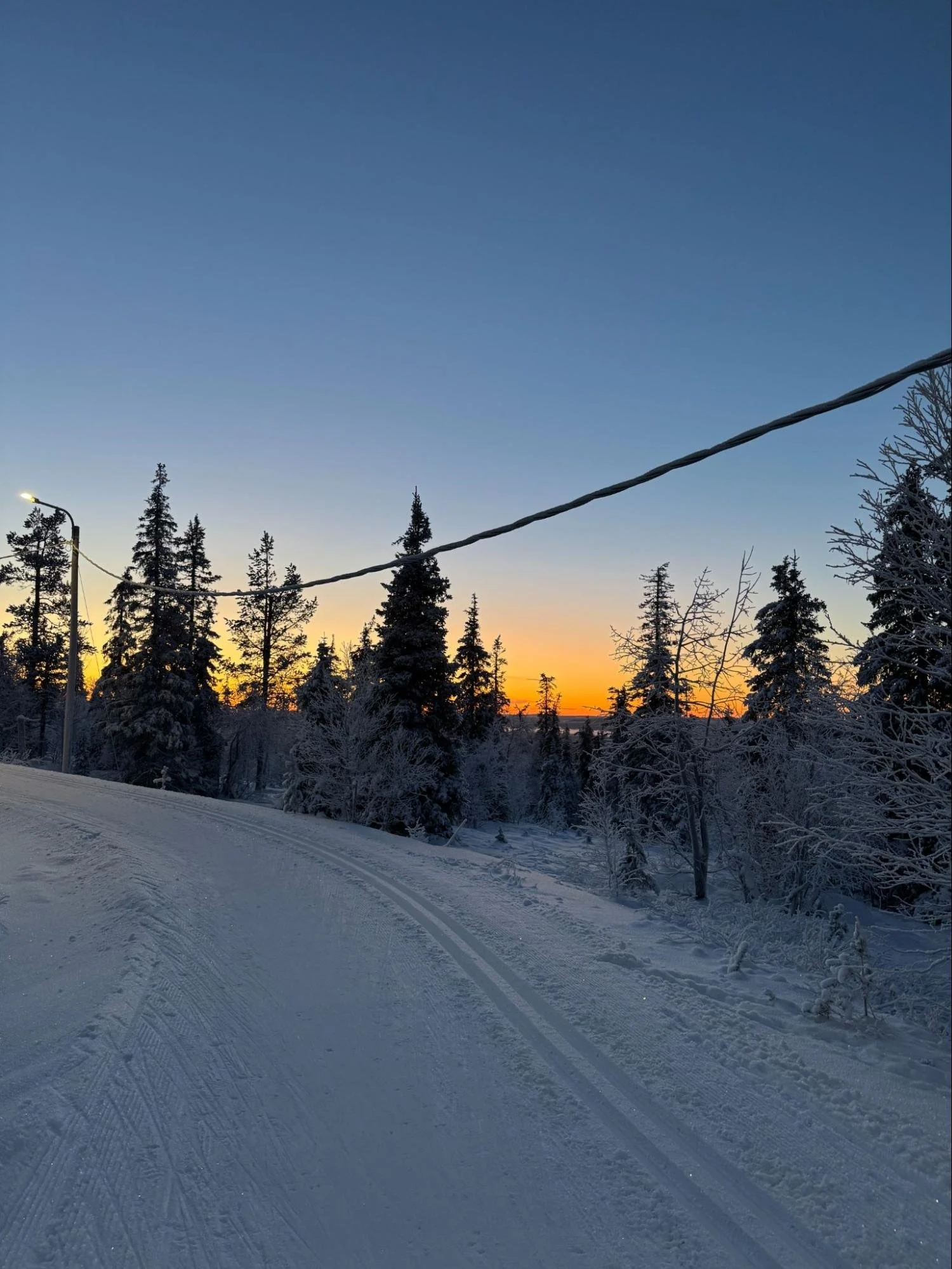
Over the past few days, I have been training in the coldest conditions of my life in Muonio, Finland. Wednesday was a balmy 5F, but it has just gotten colder since with the last three high temperatures for the day being 0°F, -10°F, and 0°F respectively. We are staying well north of the arctic circle, and the hill that the competition trails sit on blocks the precious few hours of sunlight that this place does get. These conditions have taken some getting used to, but I think I have gotten a hang of getting the most out of my sessions in temps so cold that we wouldn’t be allowed to race in them. For most North American readers, the really cold temps won’t be coming for at least a month or two (unless you’re reading from Alaska), but in preparation for the inevitable cold spells that hit almost any place where skiers live, I thought I’d share some of the methods I’ve started to use to make the most out of these frigid sessions.
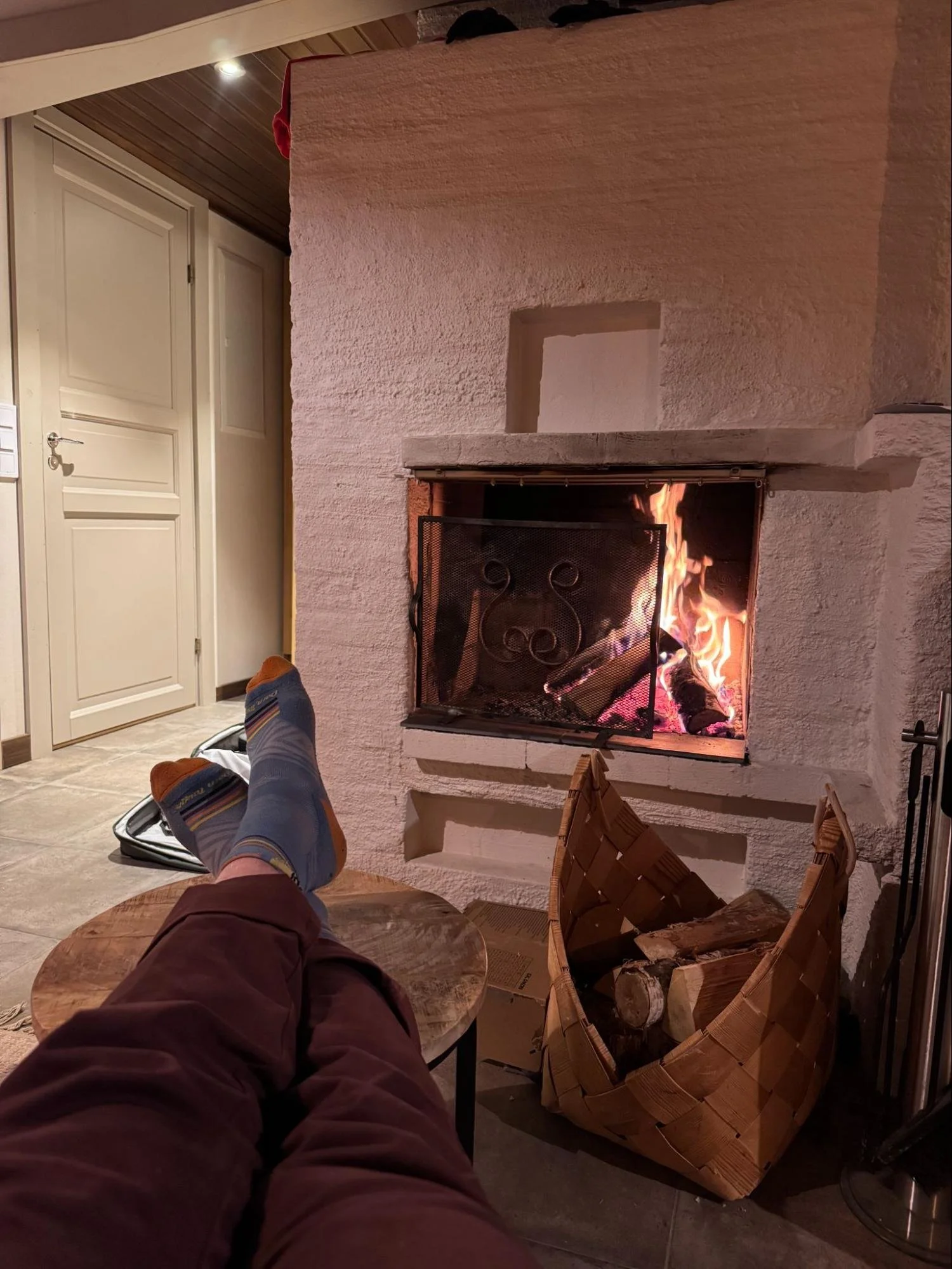
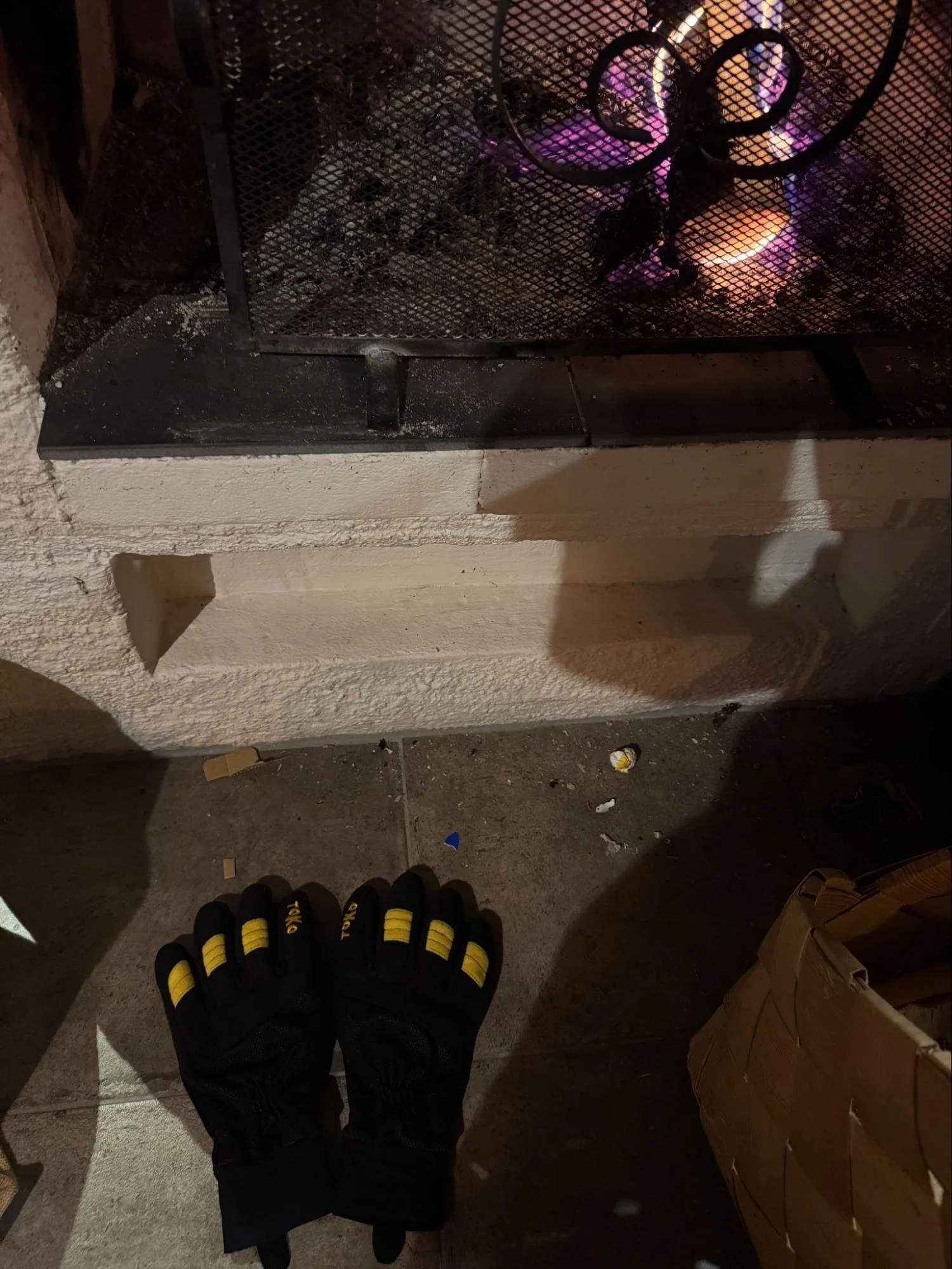
One of the most important things to make sure of before you go out to ski in the extreme cold is that all of your gear is completely dry. Any dampness in your socks, boots, gloves, baselayers, or even outer layers will very quickly make you cold. However, going one step further than making sure everything is dry before going out, I have started to make sure everything I am planning on wearing is both dry and warm. We have a fireplace in the cabin we are staying in, so it has become a nice habit to lay out the clothes that I either wore or am planning to wear again close to the fire to make them both as dry as possible and a little bit warm. As long as this doesn’t make my feet or hands sweat, I really think this helps, as my feet and hands are generally my only limiting factor for tolerating cold.
Everyone knows that layering is the best strategy for staying warm for intense exercise in the cold, but there are a lot of different ways to layer. On easy days (days where I’m not doing any intensity), I like to wear a pair of wind briefs, long underwear bottoms and top, another long sleeve t-shirt and then my thicker pants and jacket. I also always wear a very warm jacket up until the second I start skiing. On interval days, this process gets a little bit trickier. Going fast warms you up really fast, so if you overdress, start sweating and then start to cooldown, you are in for a cold end of your session. That is why, even if it is extremely cold out, I always try to take my warmup jacket and pants off and do intervals in my race suit. The first few minutes of wearing less clothes always feels awful, but when I warm up, I’m always happy I started on the light side. Additionally, if I have any longer breaks between intervals like I did the other day when I did an interval set on one part of the course then had a ten minute ski over to another section, it is really nice to not be so sweaty that a warmer jacket between intervals feels too hot.
Regardless of what I do specifically to toe the line between too hot and too cold, there are a few basic ideas that I think most anyone can follow. You can wear as much clothing as you want to at the beginning of your session. You don’t necessarily have to “be bold and start cold” as long as you are ready to start taking off clothes as soon as you start to warm up. Sweating too much is the ultimate enemy. As for keeping hands and feet warm, I like to just wear about as big of gloves as will fit into my pole straps. The bigger problem is my feet which I have not found a great solution for. Heated socks and boot covers are both solutions that I have seen teammates use, and I will likely try this once I can get my hands on either of the two products.
Another thing I like to do in extreme cold weather is to start a little bit slower than I generally would. Not only is this good from an injury prevention standpoint, it also gives you a better chance of delayering before you get too hot. I have made the mistake before of starting a ski way too fast because I wanted to warm up, but then I warmed up so quickly that I didn’t have a chance to de-layer, started sweating a lot, and then got really cold. Wearing another jacket, starting slower and then simply taking the extra jacket off can prevent this from happening.
One thing that I did for the first time this last week that has made a huge difference for me is using hot water to make my sports drink that I train with. I really like a bit of countrytime lemonade mix with some table sugar as my go-to hydration mix, and it tastes really good served hot. A warm drink in the middle of a cold session not only warms me up from the inside out but also just brightens my whole outlook on the endeavor I’m partaking in. It can also prevent your drink belt from freezing up which is nice.
I know some of this is common knowledge, but I’m hoping everyone who reads this far at least picked up on something new! Stay warm out there as winter rapidly approaches.