
Training and Racing in the Heat
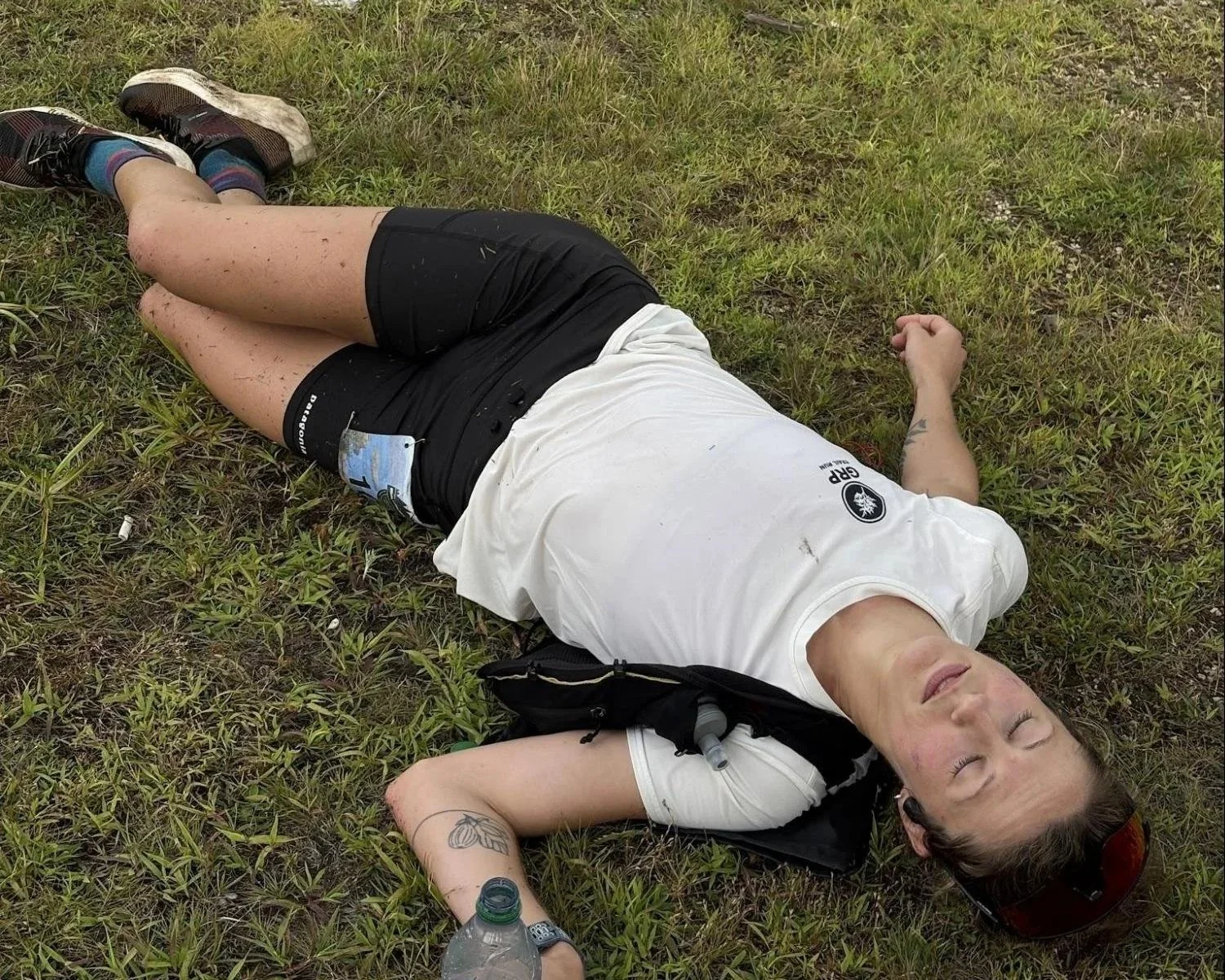
Moments after crossing the finish line of the Ragged 55k in New Hampshire. Temperature was about 75°F, but humidity levels hung around 85-93% all day. (Spoiler: I did not handle this well.)
By GRP Trail Athlete Sophia Etienne
If you live and train east of the Mississippi River, you're familiar with heat and, more importantly, humidity. Temperatures vary widely across the eastern U.S. but the humidity levels are fairly similar, while average humidity levels of the intermountain west are significantly lower. Some numbers: The average annual relative humidity in Boulder, CO is 40-55%. In contrast, the average annual relative humidity in the state of Vermont is 70-82%. This makes a difference because we've all heard the saying "It's not the heat that gets you, it's the humidity," and dangit if this isn't true.
Why does it matter so much? Well, sweat doesn't actually cool us, it's evaporation of the sweat that provides the cooling effect. On a hot, dry day, our body creates sweat, the air absorbs the sweat and cools you as it leaves the skin via evaporation. Alternatively, on a hot, humid day, our body continues to create the same amount of sweat, but with high ambient humidity that sweat has nowhere to go. It's not evaporating, it's accumulating on our skin and in our clothes, and dropping off our body, causing exponentially less cooling. This increases our heart rate, our core temperature, and our rate of perceived exertion. In other words, it makes training and racing much, much more difficult. So let's talk about how to prepare for this!
Before
Pre-Hydrate:
Taking in extra fluid and electrolytes in the days before a race or especially hot effort will ensure that you are properly hydrated beforehand. A 2-3% body mass deficit is enough to cause adverse physical and training effects, so even though you may not feel "dehydrated" you may be starting in a suboptimal state that could set you up for failure in the heat. Drink early, drink often.
Dress Appropriately:
Wear light fabrics, both in color and weight. Having an ultrabreathable, loose layer can create its own air movement. Most of us have seen the new "radical air flow" pieces from Nike ACG, but there really is something to the airflow created by the holey fabric. Does it make up for the fashion sin that it presents? To each their own!
Start Early:
An obvious one, but if you're trying to avoid the heat, your best bet is to start before the sun during hot months.
During
Go by feel or RPE: Don't expect to hit your regular paces! As we learned above, your body is working much harder to perform the same activity. Adjust your pace or workout to reflect how the work feels, or run the risk of doing more harm than good. You won't absorb the training benefits if you're stuck recovering from a training hole.
Replace Electrolytes:
You need more than just water. We all need different amounts of electrolytes, based on our own personal sweat rates and makeups. Just remember that you need to replace not only water but also sodium, potassium, and magnesium levels.
Cooling Methods:
If you're racing in the heat, you don't have the option to start earlier or simply slow down. Rapidly cooling your body when you can will help lower core body temperature and allow your system to better regulate throughout the effort. An ice bandana wrapped around your neck, pouring cool water over your head and neck, or better yet, a full body dunk, can provide your body with a cooling break. Best if this can be performed at regular intervals throughout.
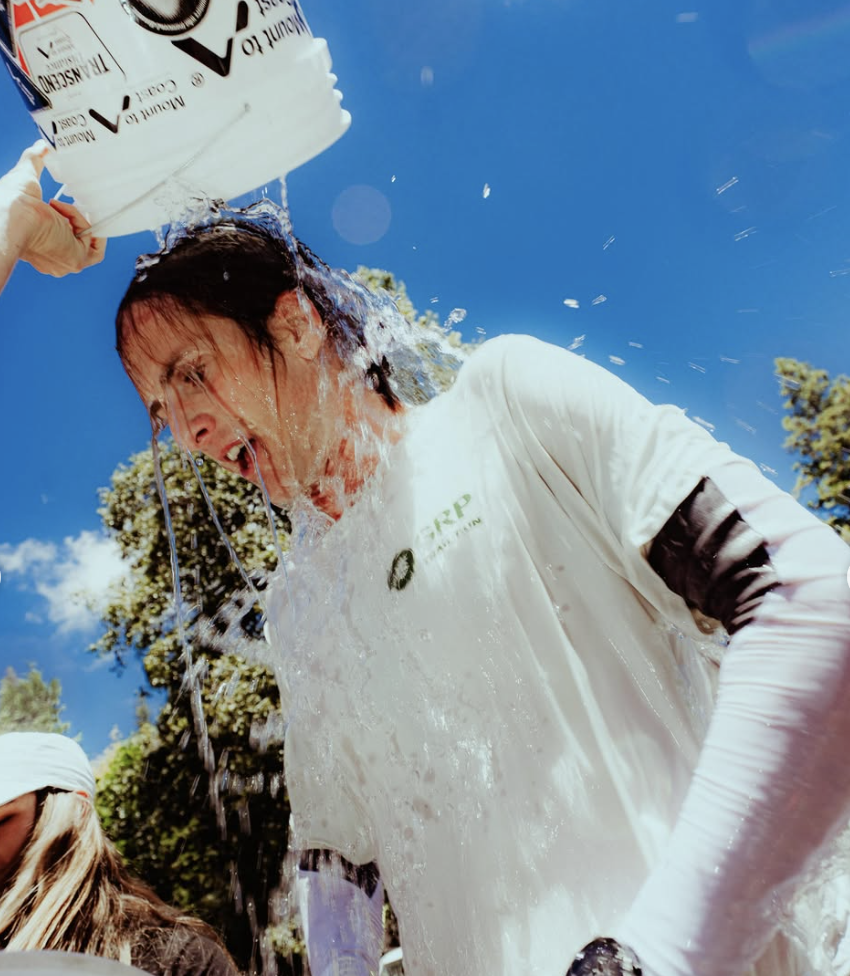
GRP Trail Runner Canyon Woodward getting a good soaking during the Western States Endurance Run 2026. Photography by Ethan Schalekamp.
Heat Training
Alright, say you can't escape the heat... Maybe you live in Florida, or your most important race is going to be hot. Time to adapt. Basically, you can traing your body to increase its tolerance for heat. Quoting Dr. Lindsay Hunt in this article for Precision Fuel and Hydration (https://www.precisionhydration.com/performance-advice/performance/heat-training-guide-for-endurance-athletes/), "With a structured heat training approach, you can teach your body to better regulate its temperature, fight against the risk of heat illness, reduce fatigue, and handle higher workloads - ultimately leading to a performance edge."
Active Heat Training:
Performing your regular training, just in a heated environment with the goal of holding an increased body temperate.
Ideal heat adaptation training is performed around 86°F. If the air temperature is lower than that, you can add layers to increase your body temperature. Training should be kept moderate, 70% of your max heart rate. Do not exceed 75 minutes in a heat training session. Getting too hot for too long will impact your ability to absorb the effects, ie: doing more harm than good.
Passive Heat Training:
Sauna or hot tub sessions immediately following moderate training sessions to increase blood plasma levels and sweat rate.
If you live in a cold climate and can't travel somewhere warm to acclimate to heat, this might be the easier option. Begin passive heat sessions right after a training session, while core body temp is still elevated. Passive heat sessions should start at 15-20 minutes and can eventually build to 25-30 minutes. Is sauna culture one of the keys to Scandinavian endurance success??