
Move of the Month: The Big 5
by GRP rower Sophie Calabrese
If you’re looking to start your own strength training regimen in the gym, you might feel intimidated by all the information that’s floating around on the best training principles and the hottest new routine that guarantees results. A solid place to start are the fundamental movement patterns a human body can do: squat, hinge, push, pull, carry. Building around these 5 movements will create a solid platform of strength and ability, not just in sport, but in life too.
Here’s a more in depth look at each movement with links to previous moves expanding on each lift as available:
Squat
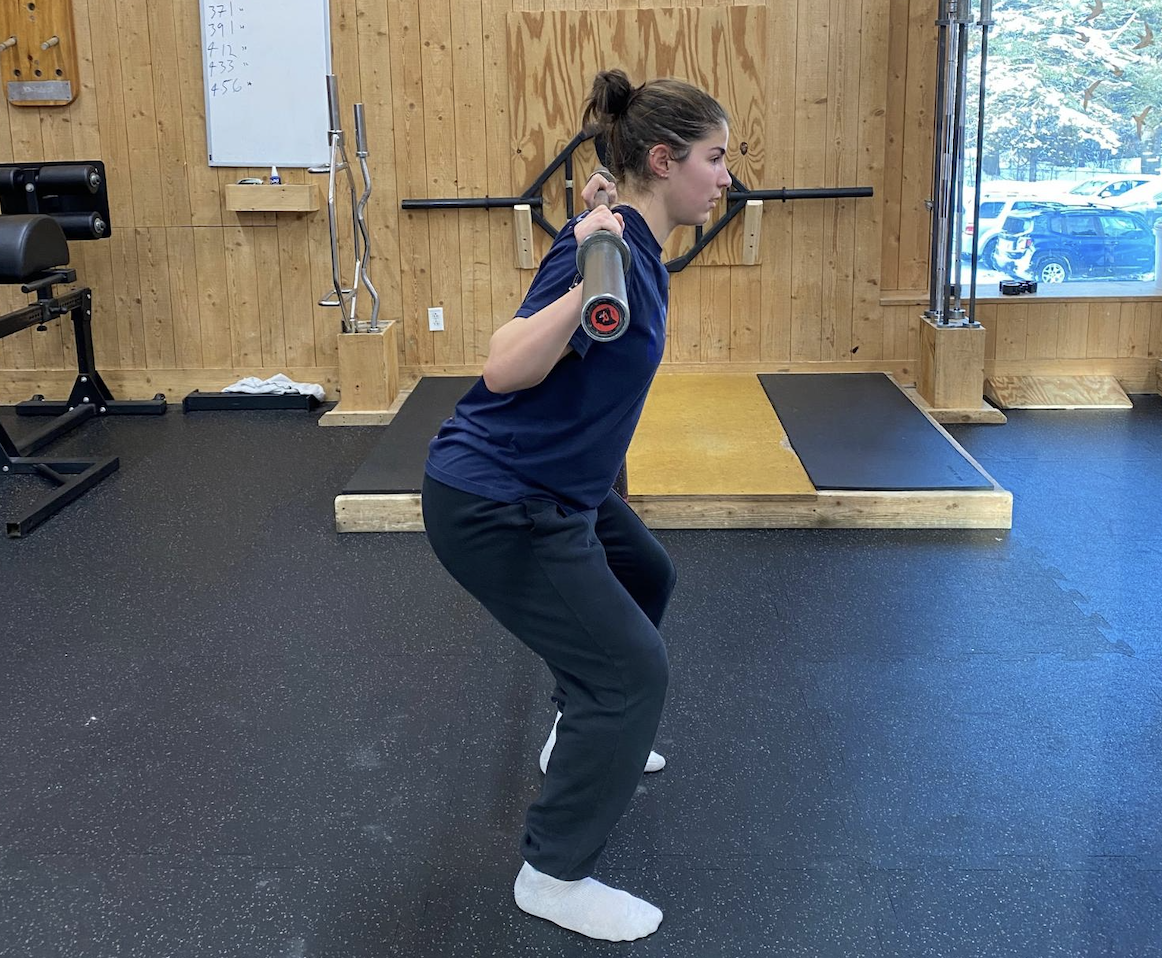
The squat is about bending at the knees and hips while keeping your torso upright. Think sitting down and standing back up.
Why it matters: You squat every day (getting out of a chair, picking something up from the floor, etc.). Strong squats build your quads, glutes, and core while supporting knee and hip health.
Examples:
Bodyweight squats
Back/front squats
How to include it: Add 3-4 sets of 6-12 reps of a squat variation 1-2 times per week. Beginners can start with bodyweight and progress by adding weight gradually.
Hinge
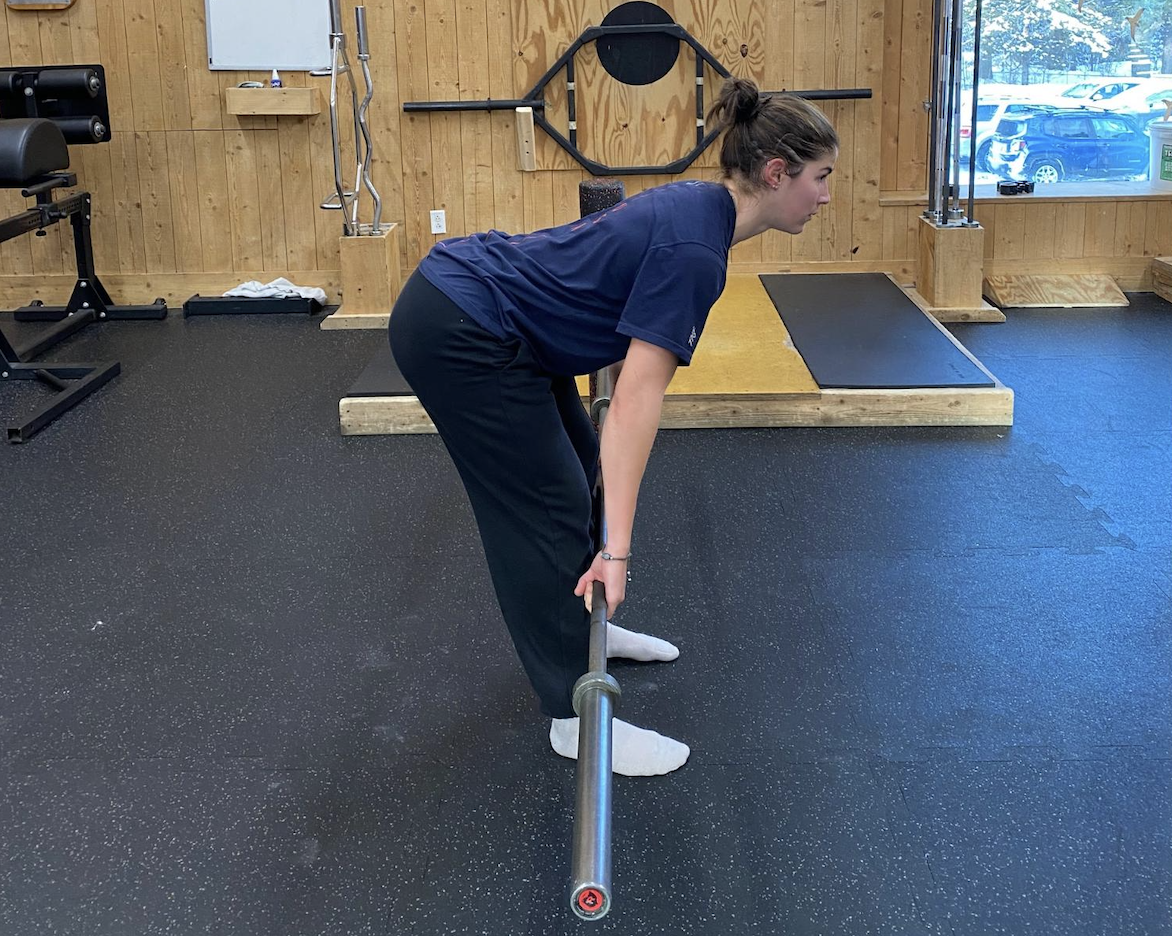
The hinge is a hip-dominant movement where you push your hips back while keeping a neutral spine. Think closing a car door with your butt.
Why it matters: The hinge trains your posterior chain (glutes, hamstrings, lower back) which is crucial for power, speed, and protecting your back.
Examples:
Conventional or trap bar deadlifts
Hip thrusts
Kettlebell swings
How to include it: Pair a hinge movement with your squat day, or alternate them throughout the week. Focus on controlled reps and proper hip mechanics before adding weight.
Push
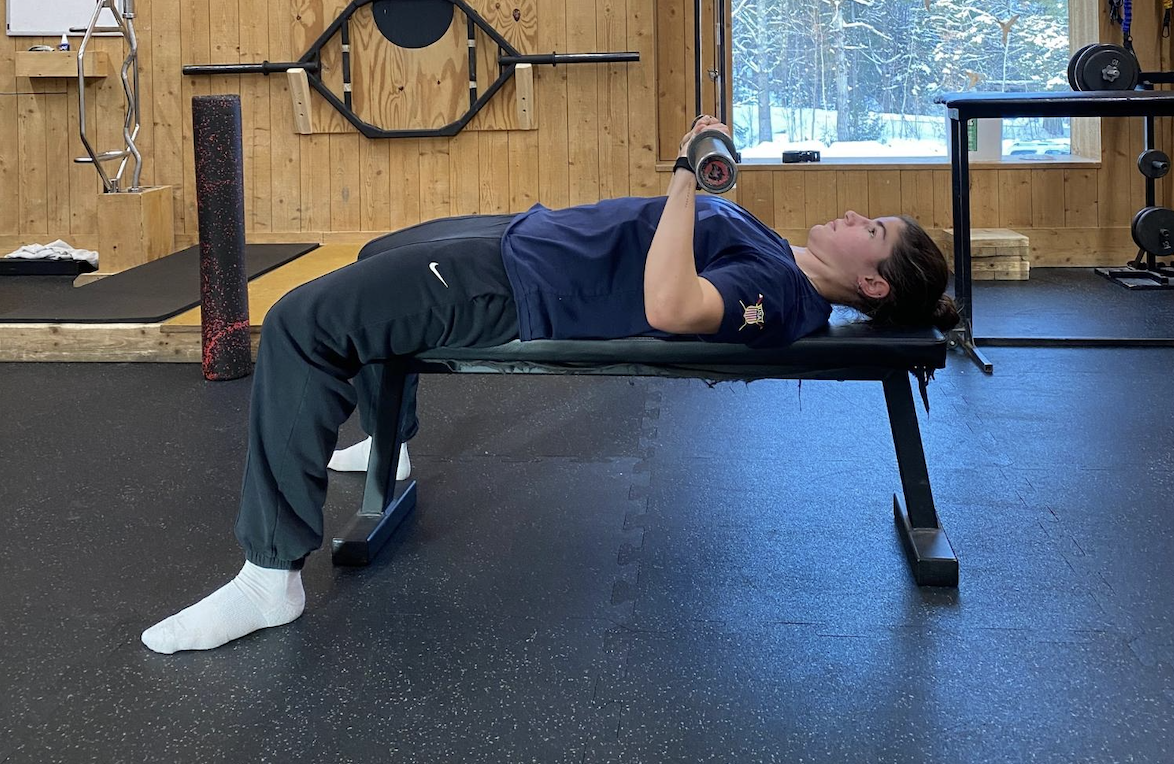
Push movements involve pressing weight away from your body, horizontally or vertically.
Why it matters: Push strength supports shoulder stability and helps everyday tasks like getting off the ground or placing something overhead.
Examples:
Bench press
Overhead press
Dumbbell incline press
How to include it: Choose one horizontal push (like push-ups) and one vertical push (like overhead press) each week. Aim for 3-4 sets of 8-12 reps.
Pull
Pulling is the act of drawing weight toward your body.
Why it matters: Many people are push-dominant and neglect pulling motions. Strong pulling muscles improve posture, shoulder health, and upper back strength.
Examples:
Lat pulldowns
Bent-over rows
Face pulls
How to include it: For shoulder balance, match your pulling volume to your pushing volume. If you do 4 sets of push-ups, do 4 sets of rows.
Carry
Carries involve holding weight as you move. This is often the most neglected movement of the 5.
Why it matters: Carries train grip strength, core stability, and full-body coordination. They’re simple but incredibly effective.
Examples:
Farmer’s carries
Suitcase carries
Front rack carries
How to include it: Add 2-4 rounds of 20-60 seconds of carries at the end of your workout. Focus on posture and steady breathing.
Putting it all together, your starting strength routine could look something like this:
Squat variation: 3x8
Hinge variation: 3x8
Push variation: 3x10
Pull variation: 3x10
Carry: 3x40 seconds
Train this 2-3 times per week and progressively increase load or reps over time. Happy lifting!