
Move of the Month: Strength Training
by GRP rower Sophie Calabrese
If you missed my previous blog post, I’m doing a series on the different ways you can structure your own strength and conditioning program to maximize its effectiveness for the event you’re training for. The first was on hypertrophy training, which is centered around increasing the size of muscle fibers.
Strength-based training serves a different purpose. The focus shifts from building muscle size to teaching the body (now with bigger muscle fibers) to produce more force. Everything becomes structured around heavier weights, lower reps, longer rest periods, and higher perceived exertion. Strength work improves neural efficiency, coordination, joint stability, and overall force production. This is the type of training that teaches you how to use the muscle you’ve just built in a hypertrophy phase. But strength training comes with a cost. Heavier loads place greater stress on the body, namely on the nervous system, connective tissue, and recovery systems. If life stress is already high, sleep is poor, or recovery habits are inconsistent, constantly chasing maximal strength can eventually leave people feeling run down rather than energized. Strength phases tend to work best after a solid hypertrophy foundation has already been built and when recovery resources are high enough to support heavier loading.
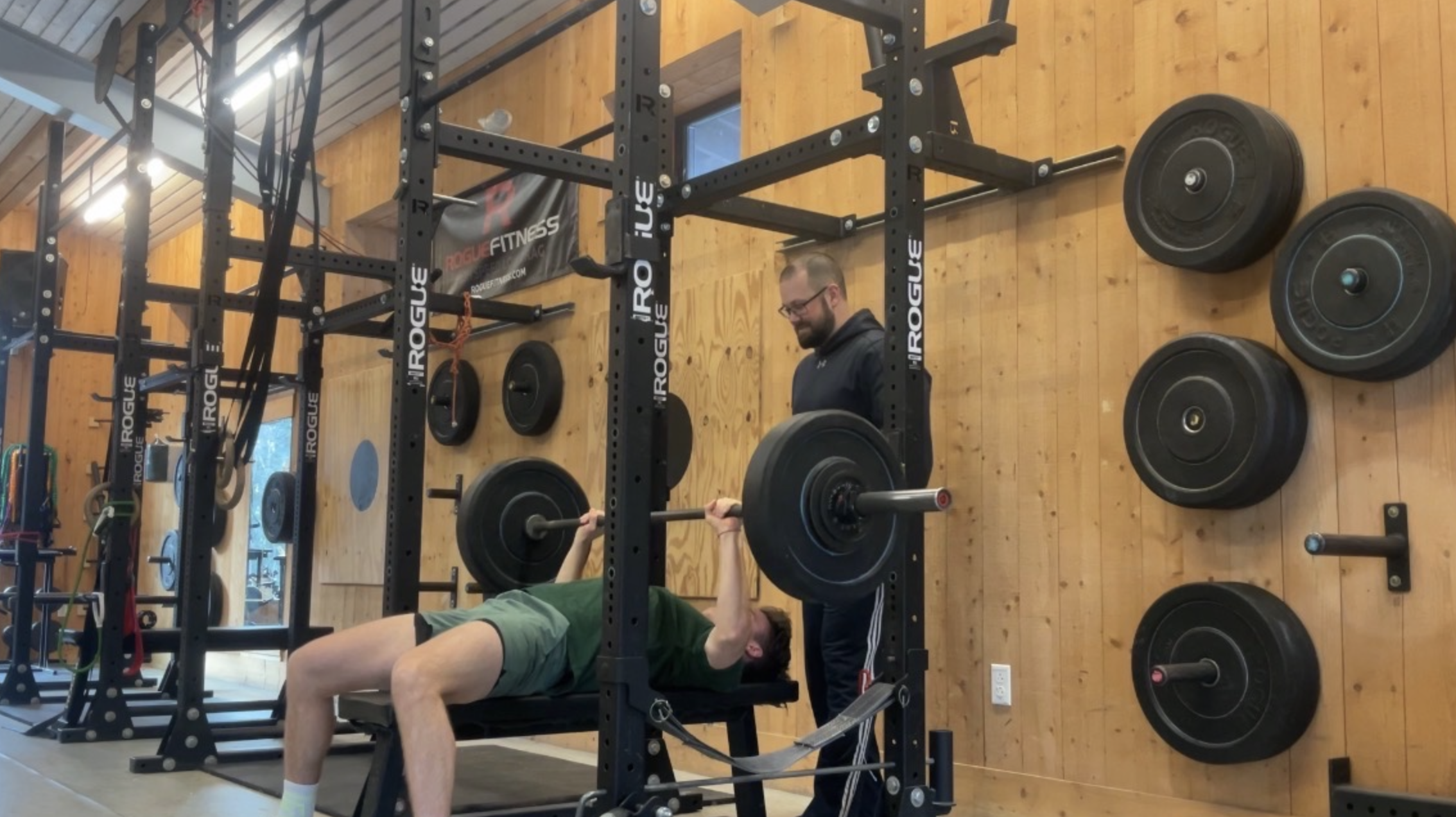
A strength-focused session may look like:
Barbell back squat: 5 sets of 3–5 reps
Barbell deadlift: 4 sets of 3–5 reps
Bench press: 5 sets of 3–5 reps
Weighted pull-ups: 4 sets of 4–6 reps
Bent-over dumbbell rows: 4 sets of 6 reps
The key with the above rep scheme is to note the increased sets, but decreased reps. Choose heavier weights and push yourself to a higher degree than you did during your hypertrophy phase. To offset this, use longer rest periods between sets. For compound movements (back squat or pull ups), take 3-5 minutes between sets and for isolation movements (bicep curls, leg extensions) take 2-3 minutes between sets.
Stay tuned for the final blog post on power training blocks. Happy training!