Move of the Month: Tempo Training
by GRP Rower Sophie Calabrese
What is tempo lifting?
Tempo lifting is the act of intentionally controlling the speed of each phase of a lift. Most commonly this means slowing down the lowering (eccentric) portion. Instead of mindlessly moving weight from point A to point B, tempo training demands patience. While it may feel more challenging (and sometimes more frustrating) than traditional lifting, it’s one of the most effective ways to build durable strength and protect your body in the long term.
Why does tempo training work?
Tendons thrive on slow, consistent loading. When it comes to strengthening, they don’t respond as well to quick spikes in force. Slowing down a lift increases time under tension, which gives tendons the mechanical stimulus they need to adapt and become stronger without requiring heavier weights. This makes tempo lifting especially valuable for joint health, injury prevention, and maintaining performance across years of training.
Tempo work also improves movement quality. When you slow things down, weak points and compensations become obvious. You’re forced to own each position, which builds better control, balance, and positional strength. For athletes, this translates to improved force transfer and reduced wear and tear. For recreational lifters, it simply means moving better and feeling better in day-to-day life.
How to incorporate tempo lifting?
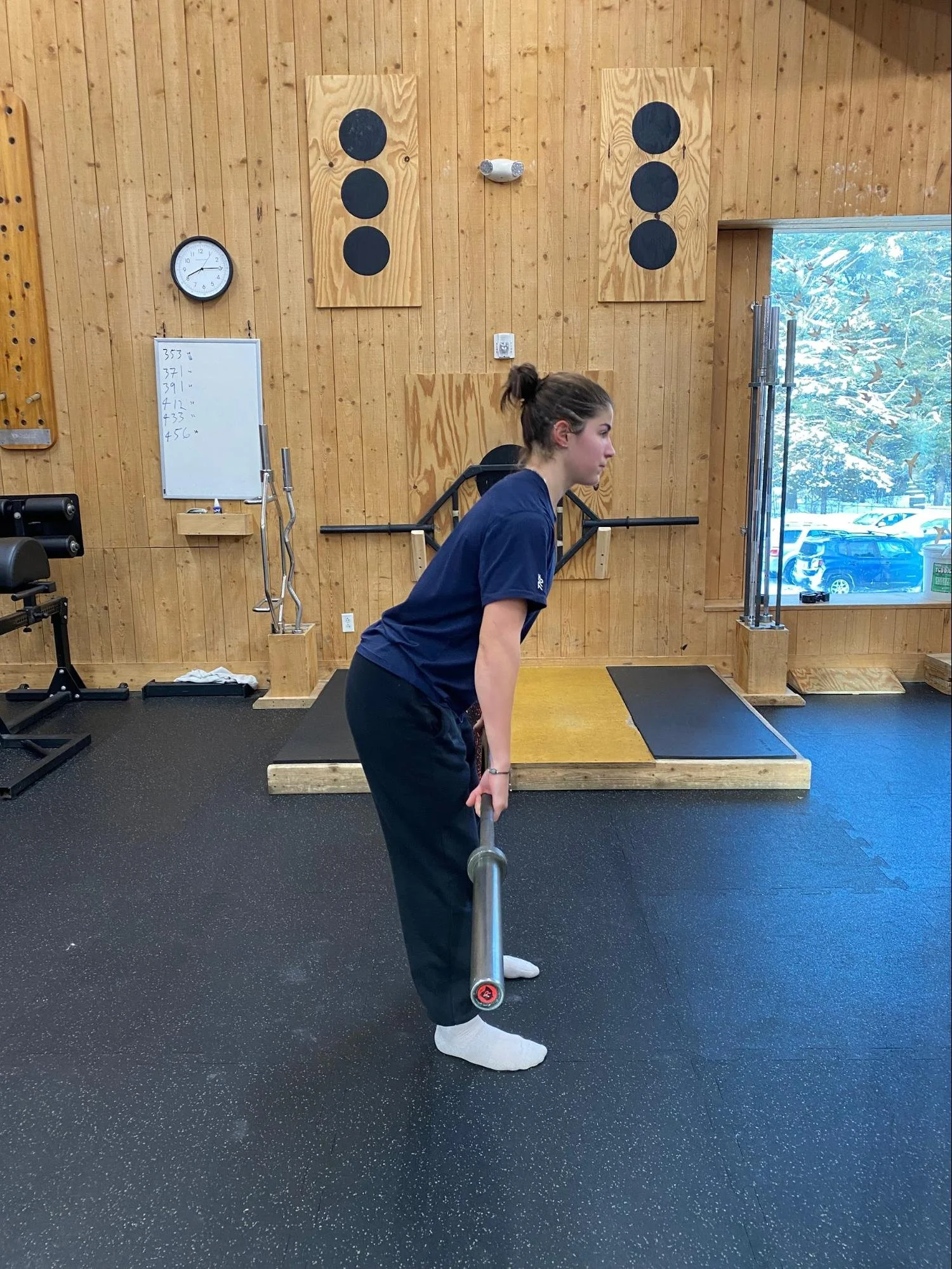
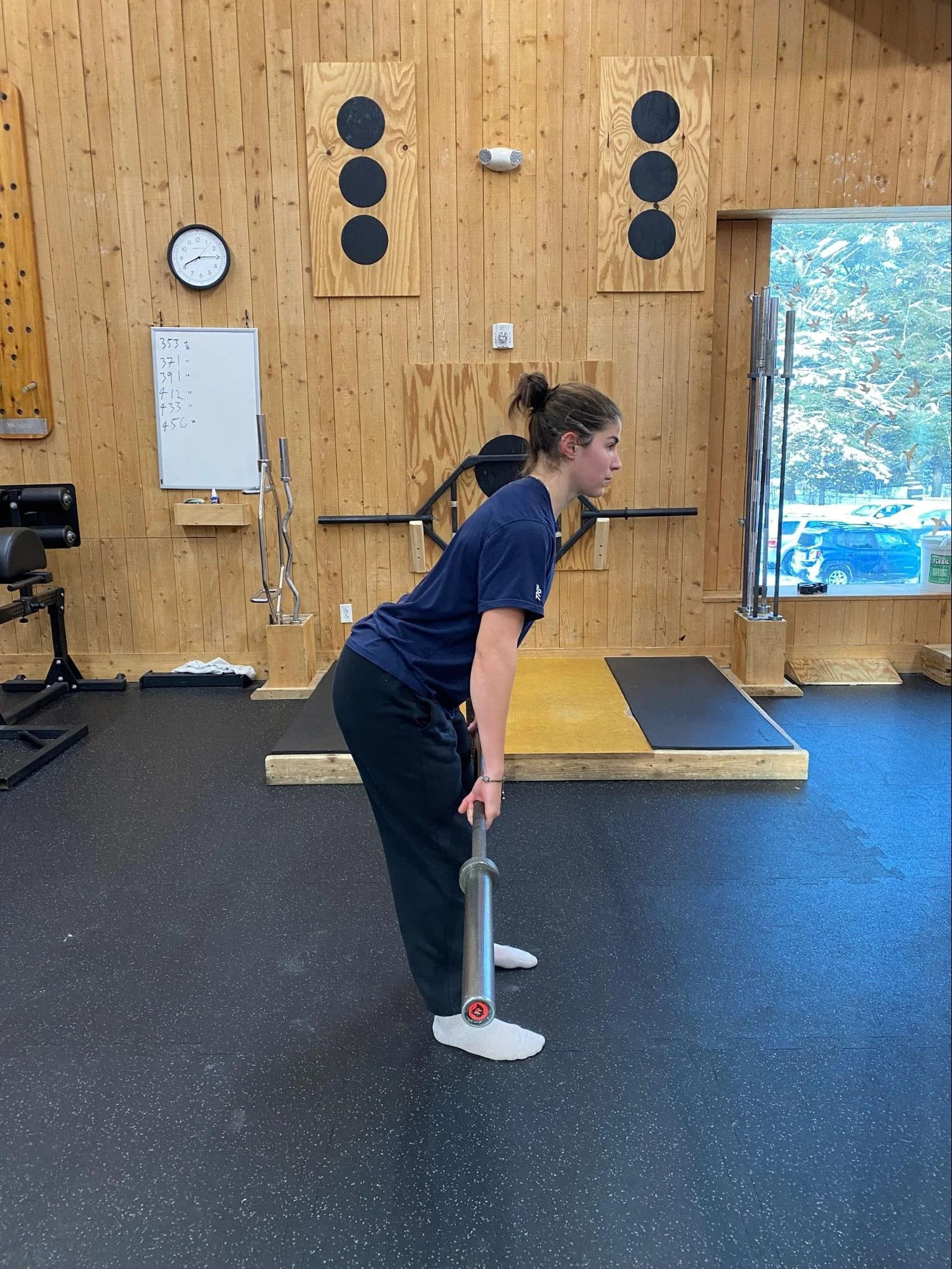
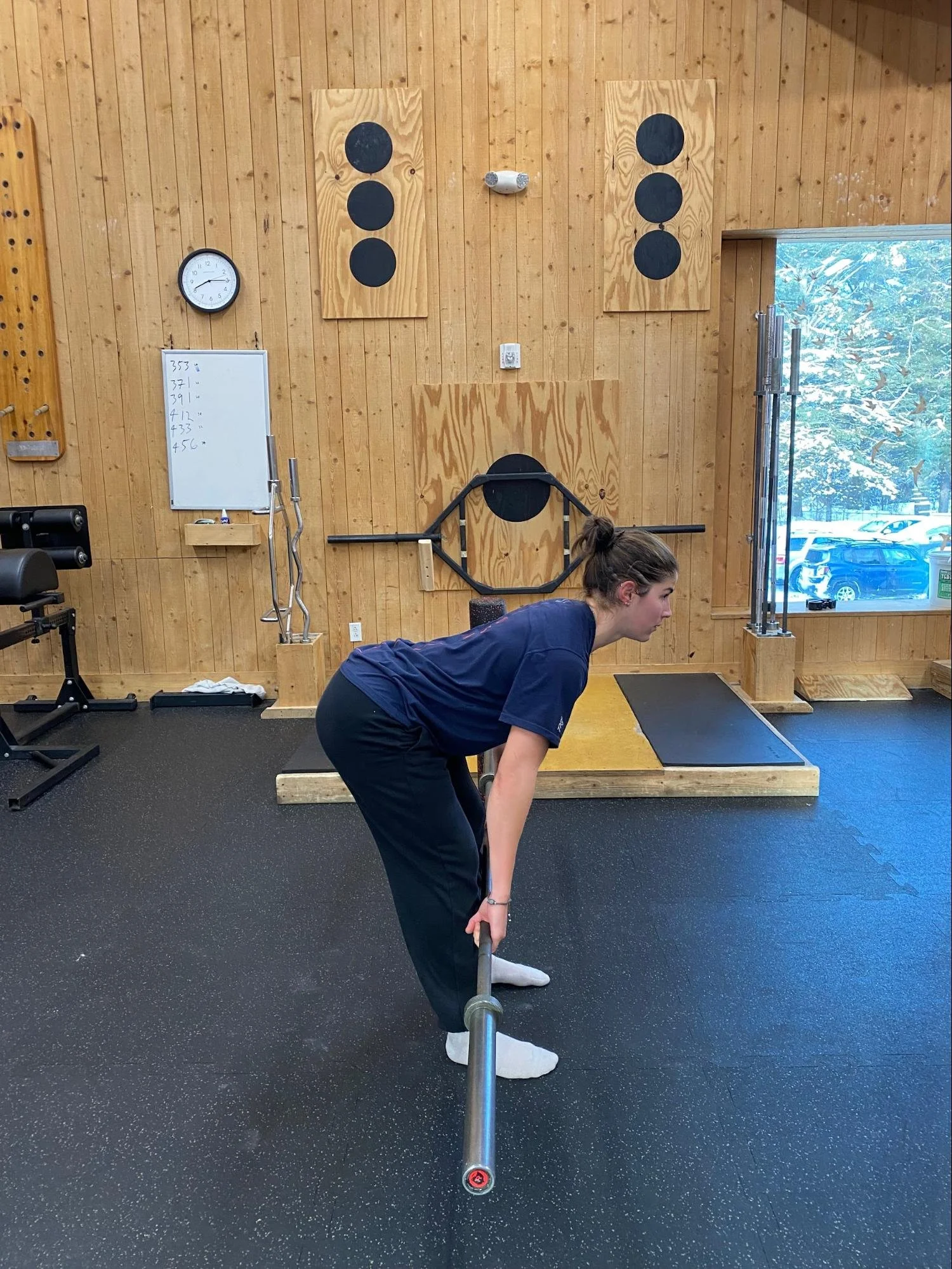
Tempo is often written as a four-number code (3-1-1-1). The first number refers to the eccentric (lowering) phase, the second is how long to pause, the third is the concentric (lifting) phase, and the last number is how long to pause at the top of a movement. In this example, you would lower the weight for 3 seconds, pause for 1 second, lift for 1 second, and reset for 1 second before the next rep. You can apply tempo to big lifts like squats or presses by slowing the eccentric, add pauses in stretched positions for movements like RDLs or rows, or use tempo during warm-ups or accessory work to build strength and tendon resilience without increasing load.
Tempo lifting isn’t flashy, but it’s effective. If your goal is sustainable strength, healthier joints, and a body that holds up over time, slowing down your reps could be a very beneficial change to make!
Examples:
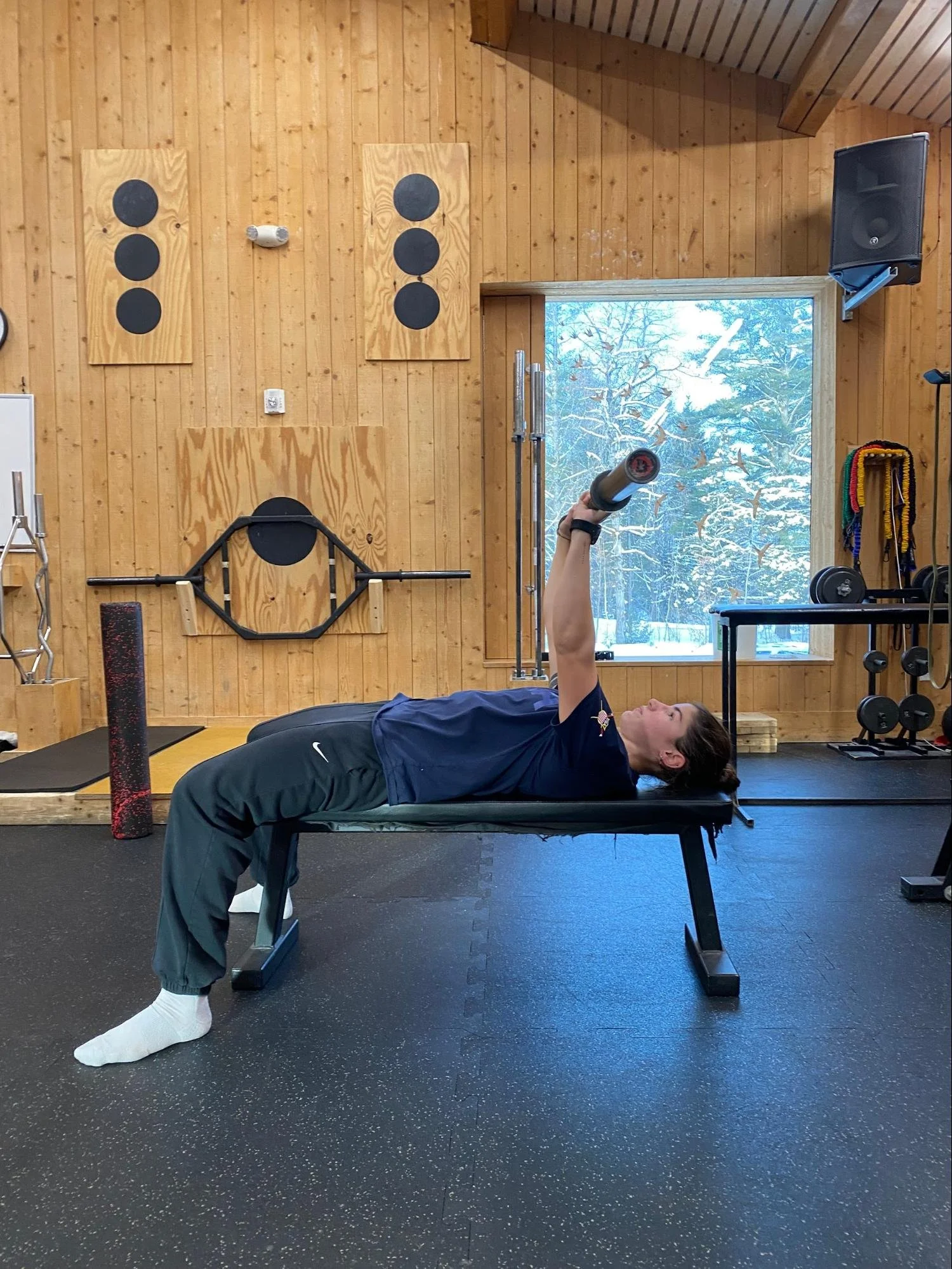
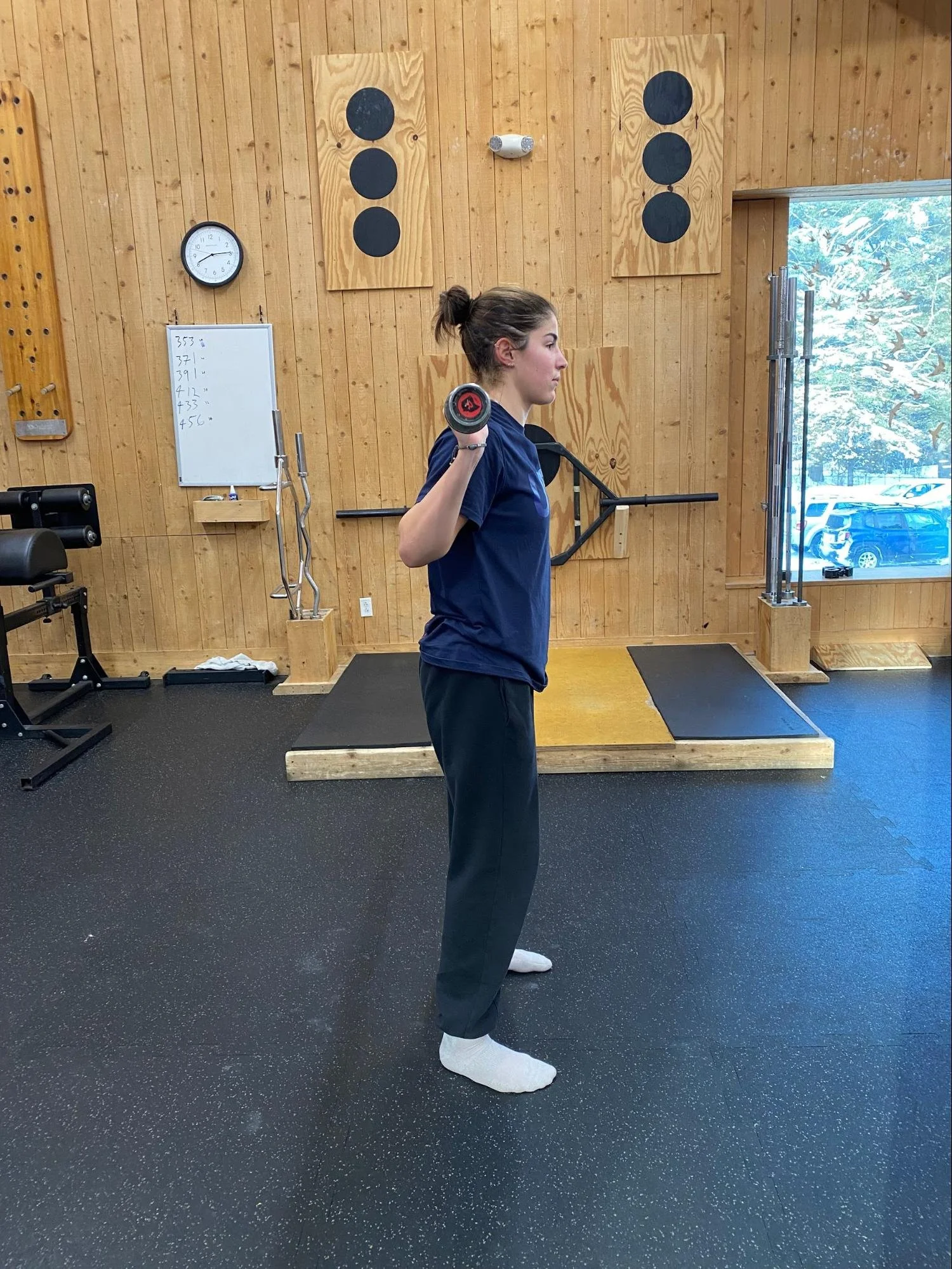
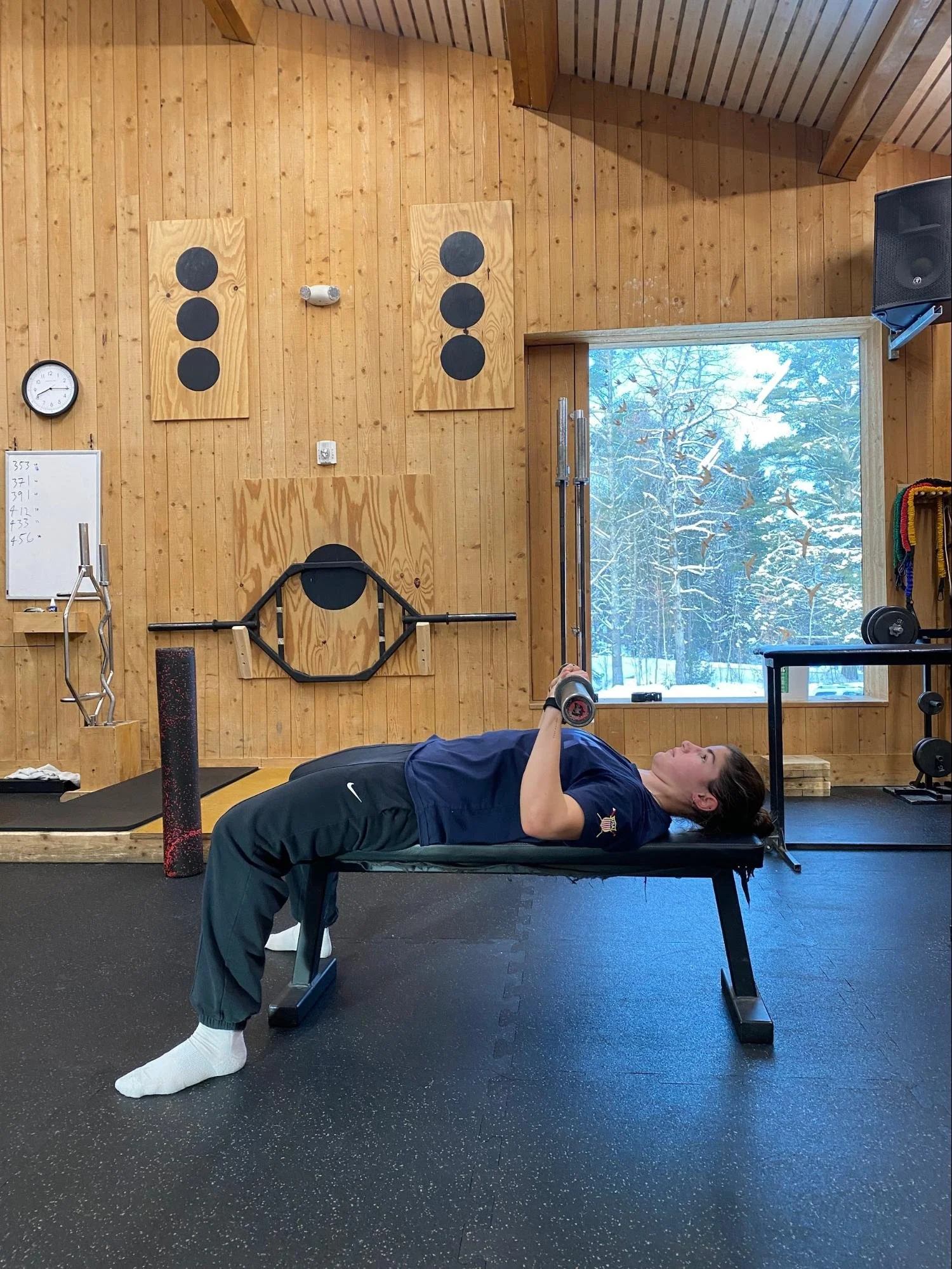
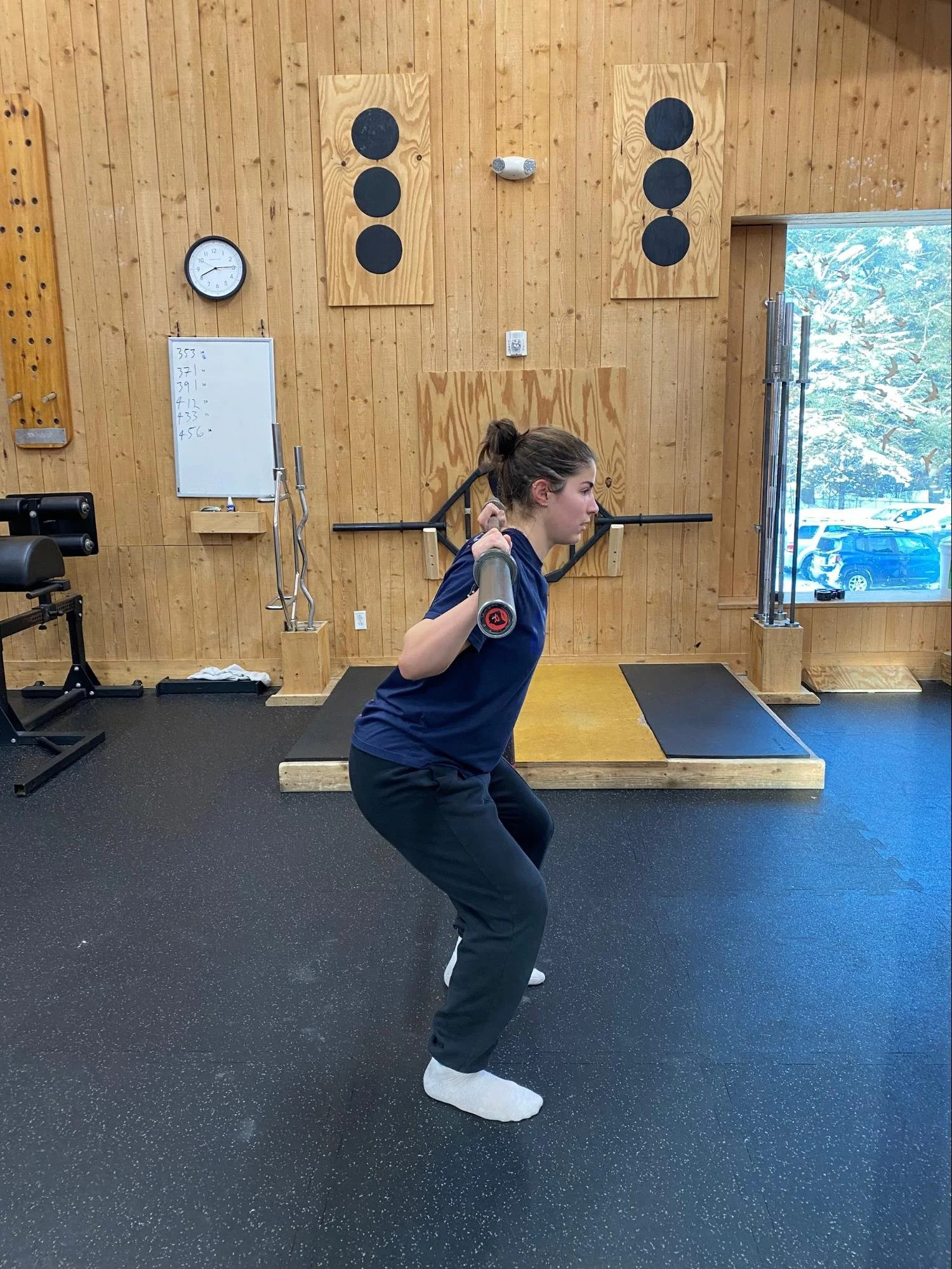
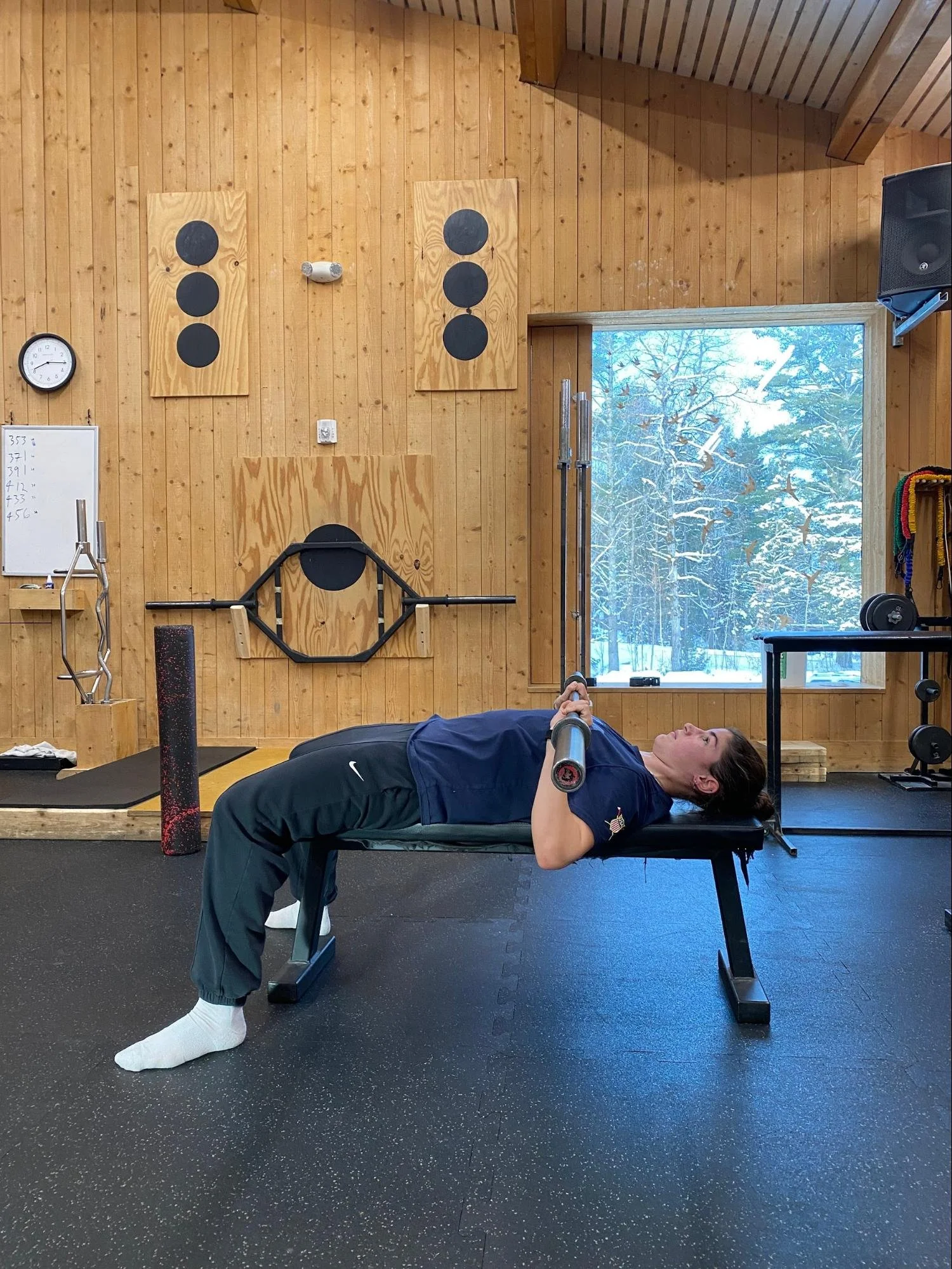
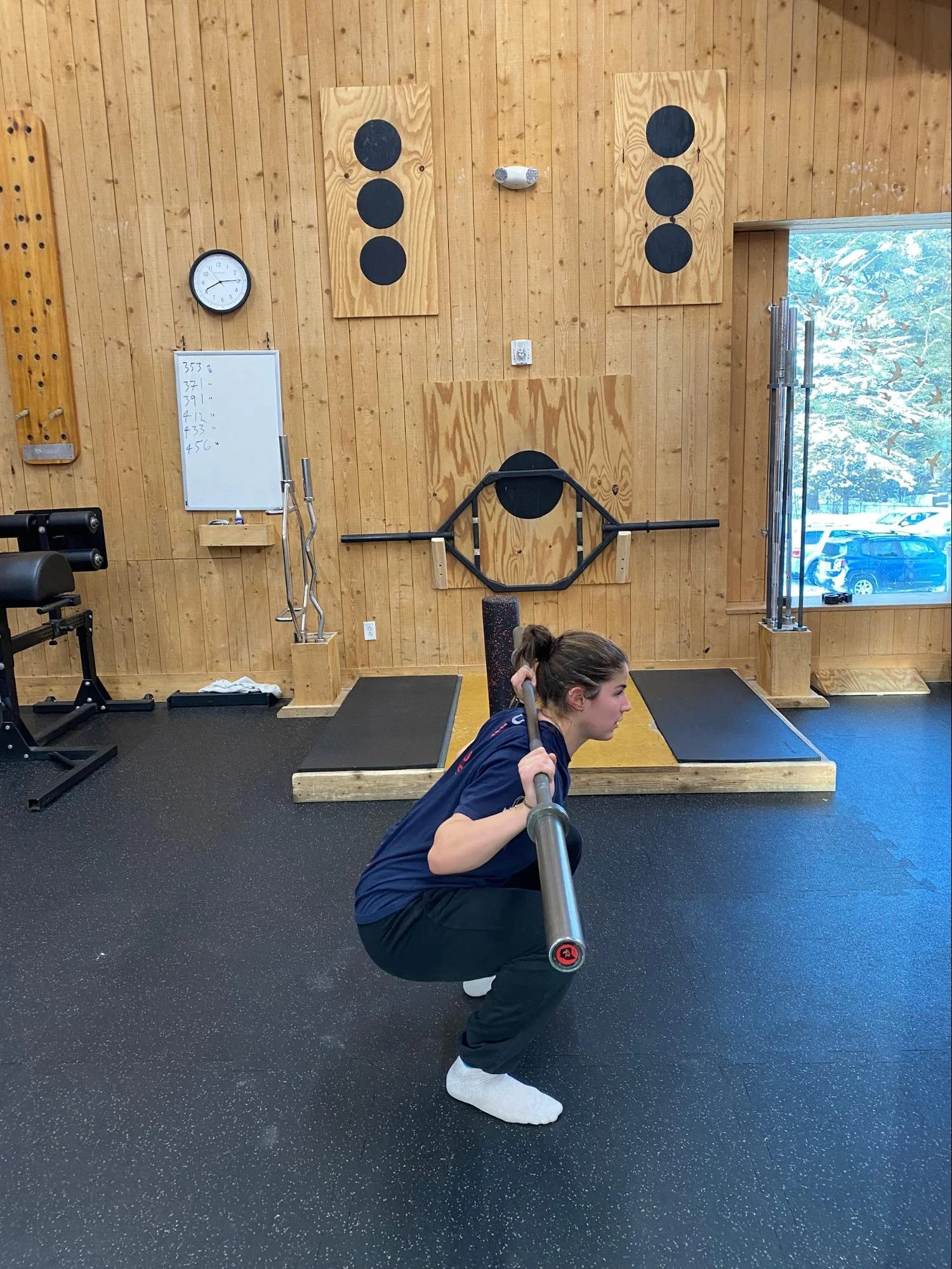
Slow eccentrics on primary strength lifts
Ex: back squat, bench press, deadlift
How to do it:Choose a load you could normally lift for 6–8 reps.
Lower the weight slowly for 3–5 seconds, staying controlled and balanced.
Briefly stabilize at the bottom (no bouncing).
Stand or press the weight up with normal intent.
Perform 3-5 quality reps, focusing on control over load.
Paused tempo at end ranges
Ex: squat, RDL, any row
How to do it:Lower the weight with a controlled 3-second tempo.
Hold the bottom or most stretched position for 1–2 seconds.
Maintain tension - stay active, not relaxed, in the pause.
Move out of the position smoothly and with control.
Keep reps clean and stop the set when positioning starts to degrade.